
What Is Cash Flow Management? A Simple Guide for Small Businesses
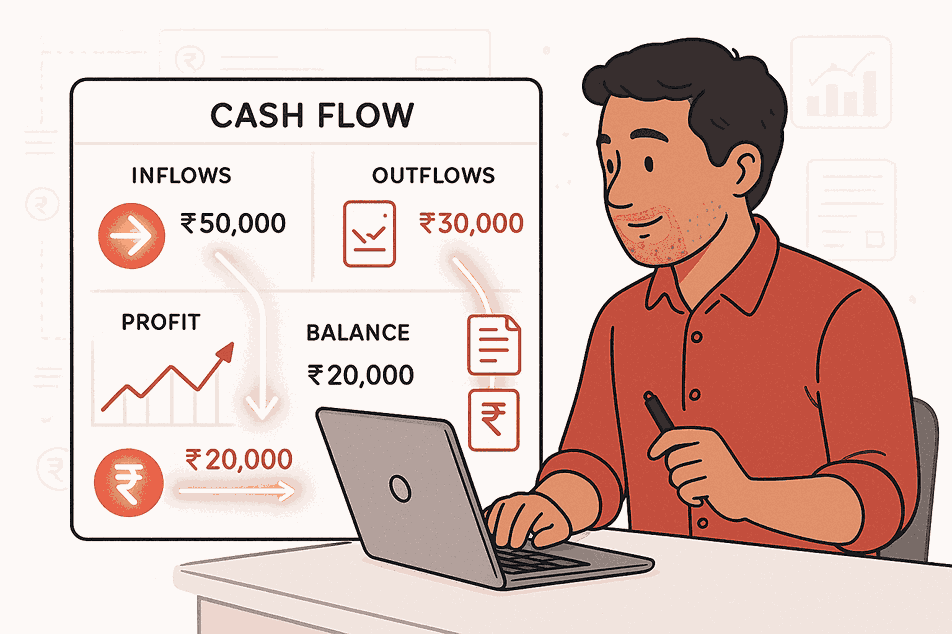
Cash flow management is the heartbeat of every business. For small and medium enterprises (SMEs), maintaining a steady flow of money coming in and going out is essential for survival and growth. Yet, many SMEs struggle with managing their finances due to delayed payments, manual processes, and poor financial visibility.
Effective cash flow management helps businesses stay stable, pay their bills on time, and plan for future growth — even during uncertain economic conditions.
To understand how digital tools can streamline business finance, you can explore the SprintNXT unified business banking platform
In this blog, we’ll simplify everything you need to know about cash flow management, why it matters for SMEs, and how modern digital tools like unified banking platforms are helping businesses stay financially healthy.
Table of Contents
What Is Cash Flow Management?
Why Cash Flow Management Matters for SMEs
Types of Cash Flow Every Business Should Know
Common Cash Flow Challenges for SMEs
Best Practices for Effective Cash Flow Management
How Digital Tools Improve Cash Flow Visibility
Conclusion
Frequently Asked Questions (FAQs)
What Is Cash Flow Management?
Cash flow management refers to tracking, analyzing, and optimizing the way money enters and leaves your business.
It ensures that you have enough cash available to meet daily needs like:
Paying employees
Buying inventory
Settling vendor payments
Managing rent, utilities, and operational expenses
Effective cash flow management helps SMEs maintain financial stability and avoid liquidity issues.
If your business relies on UPI payments or online transfers, this guide is helpful
UPI payments or online transfers
Why Cash Flow Management Matters for SMEs
SMEs operate with smaller margins and limited capital reserves. Cash shortages — even short-term — can disrupt operations.
Good cash flow management helps SMEs:
Avoid late payments and penalties
Improve vendor and employee relationships
Predict financial needs and plan ahead
Maintain business continuity
Make better decisions with real-time financial data
In India, where payment cycles often stretch beyond 30–45 days, SMEs especially need structured cash flow practices.
For vendors and employee payments, automated payout workflows can help
Types of Cash Flow Every Business Should Know
Understanding your cash flow helps you manage your finances more effectively. The three major types are:
1. Operating Cash Flow
Money generated from everyday business activities — sales, services, collections.
2. Investing Cash Flow
Cash used for buying assets, equipment, or investment activities.
3. Financing Cash Flow
Money from loans, investor funding, or repayment of borrowings.
SMEs should monitor all three to maintain a stable financial position.
4. Common Cash Flow Challenges for SMEs
Small businesses often struggle because of:
Delayed customer payments
High operational expenses
Manual invoicing and reconciliation
Multiple bank accounts with no unified visibility
Unpredictable sales cycles
Difficulty securing working capital loans
These issues can cause SMEs to face cash shortages, even when business is profitable.
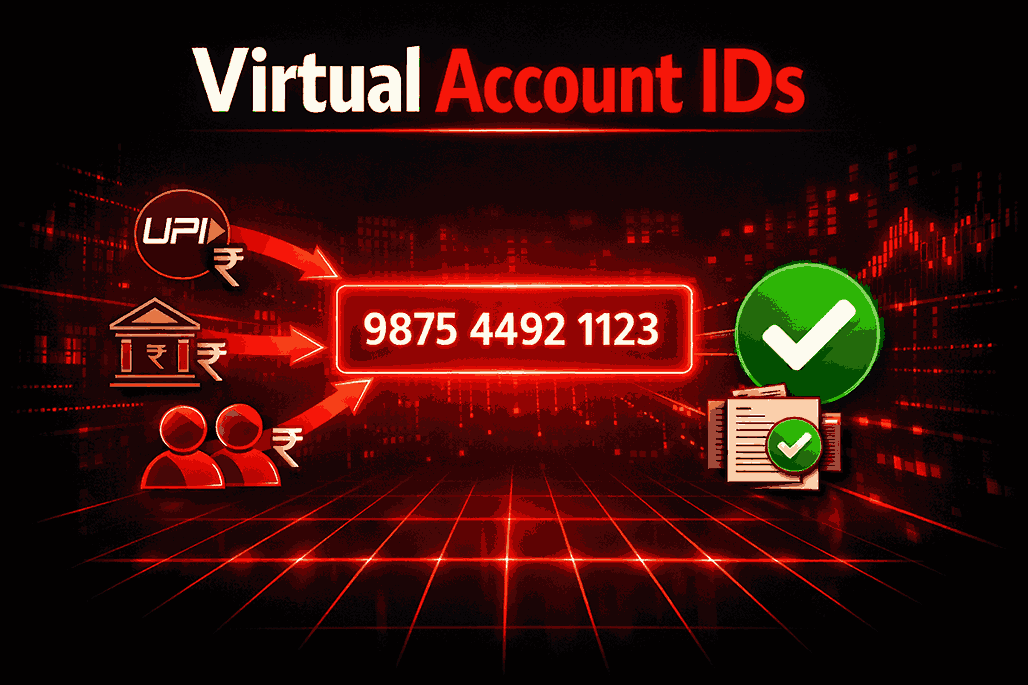
Explore how virtual accounts solve reconciliation and visibility issues.
Best Practices for Effective Cash Flow Management
SMEs can strengthen their financial position by adopting simple, structured practices:
1. Use digital invoices and automated reminders
Reduces delays and encourages timely payments.
2. Monitor expenses closely
Identify unnecessary costs and negotiate with vendors.
3. Maintain a cash reserve
Helps manage unforeseen expenses.
4. Automate collections and payouts
Improves efficiency and reduces manual errors.
Learn more about automated payout workflows
5. Track cash flow daily or weekly
Provides visibility into financial health.
6. Use tools for multi-bank account management
Platforms like SprintNXT let SMEs view balances, transactions, and payouts from one dashboard.
How Digital Tools Improve Cash Flow Visibility
Modern business banking platforms play a crucial role in solving cash flow problems for SMEs.
Solutions like SprintNXT offer:
Real-time cash flow insights
Automated reconciliations
UPI-based collections
Bulk payouts to vendors and employees
Multi-bank account management
Smart analytics to predict financial needs
These tools reduce manual effort and help SMEs understand their finances more accurately.
Conclusion
Cash flow management is one of the most important aspects of running a business — especially for SMEs. With the right strategies and digital tools, businesses can maintain healthy cash flow, reduce financial stress, and prepare for sustainable growth.
By adopting unified business banking platforms and automating financial operations, SMEs can gain better visibility, improve efficiency, and stay ahead in today’s fast-paced business environment.
Frequently Asked Questions (FAQs)
What is the meaning of cash flow in business?
Cash flow refers to the movement of money into and out of your business from operations, investments, and financing activities.
Why is cash flow management important?
It helps businesses pay bills on time, maintain stability, and plan future growth.
What causes cash flow problems?
Delayed payments, high expenses, manual financial processes, and poor planning.
How can SMEs improve cash flow?
By automating collections, reducing expenses, tracking finances regularly, and using tools like SprintNXT for real-time visibility.
Can digital platforms help with cash flow management?
Yes. Unified business banking platforms help automate payments, manage collections, and provide real-time financial data.
Related Posts