
What Is a Payment Ledger? Meaning, Types, and Why Businesses Need One
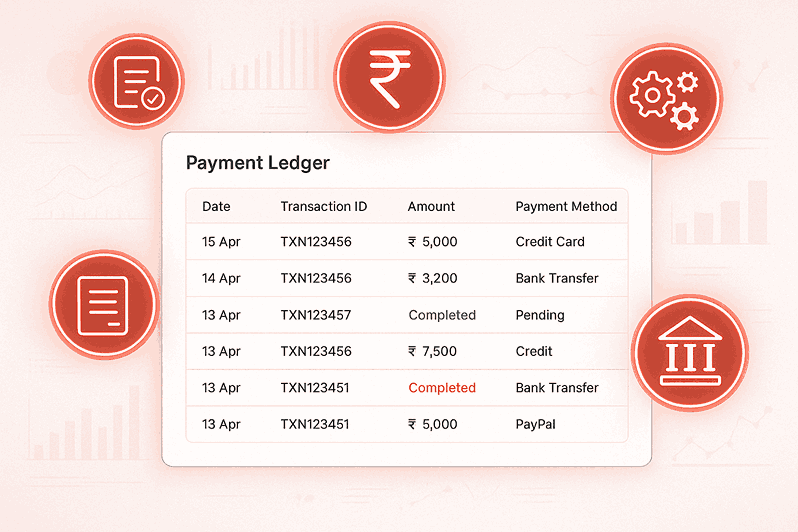
The payment ledger is one of the most essential tools for tracking financial transactions in any business. Whether a company is big or small, it relies on accurate financial records to operate smoothly. A payment ledger helps businesses clearly see who made a payment, how much was paid, and when the payment was received — ensuring transparency and financial stability.
In today’s digital-first environment, SMEs handle payments across multiple channels such as UPI, NEFT, IMPS, online transfers, and vendor payouts. Without a proper ledger system in place, managing these transactions can quickly become complicated, time-consuming, and error-prone.
To understand how digital tools simplify ledger management, you can also explore unified banking solutions like SprintNXT
This blog breaks down everything you need to know about payment ledgers, their importance, and how modern digital tools help businesses manage them effortlessly.
Table of Contents
What Is a Payment Ledger?
Why Payment Ledgers Are Important
Types of Payment Ledgers
Common Problems Without a Proper Ledger System
How to Maintain an Accurate Payment Ledger
How Digital Platforms Help Automate Ledger Management
Conclusion
Frequently Asked Questions (FAQs)
What Is a Payment Ledger?
A payment ledger is a financial record that tracks all payments a business receives and makes. It acts as a centralized document where every transaction — from customer payments to vendor payouts — is recorded systematically.
A payment ledger helps answer questions like:
How much did we receive today?
Which customers have pending payments?
Which vendors have been paid?
Are there any mismatched or missing transactions?
In short, it is the backbone of a business’s financial tracking.
If your business handles payouts frequently, you may find this helpful
Why Payment Ledgers Are Important
Without a well-maintained ledger, businesses struggle with cash flow management and financial accuracy. A proper payment ledger helps:
1. Maintain financial transparency
Clear records reduce confusion and errors.
2. Improve cash flow visibility
You know exactly how much money is coming in and going out.
3. Identify pending or delayed payments
Makes follow-ups easier and improves collections.
4. Support compliance and audits
Accurate ledgers make accounting smoother.
5. Reduce fraud risks
Clear tracking prevents unauthorized or duplicate transactions.
For SMEs, a strong ledger system is essential for stability and long-term growth.
Learn more about UPI and digital payments.
Types of Payment Ledgers
Different businesses use different ledger formats depending on their needs. Common types include:
1. Accounts Receivable Ledger
Tracks payments received from customers.
2. Accounts Payable Ledger
Tracks payments made to vendors, employees, partners, and service providers.
3. Cash Ledger
Tracks cash payments and withdrawals.
4. Bank Ledger
Tracks all payments made through bank accounts — UPI, NEFT, IMPS, cheques, etc.
5. Digital Payment Ledger
Tracks payments through online channels, payment links, wallets, or QR codes.
Most businesses use a combination of these ledgers to track different types of transactions.
Common Problems Without a Proper Ledger System
Businesses that rely on manual methods often face:
Missing or misrecorded transactions
Duplicate entries
Delayed reconciliation
Difficulty tracking customer dues
Errors during accounting or audits
Lack of real-time visibility
Confusion between different payment channels
These issues can lead to financial inaccuracies and cash flow disruptions.
How to Maintain an Accurate Payment Ledger
Here are best practices to help SMEs and enterprises maintain smooth and accurate ledgers:
1. Record transactions daily
Avoids backlog and reduces mistakes.
2. Use standardized invoice formats
Ensures clarity and consistency in records.
3. Maintain separate ledgers for receivables and payables
Makes tracking easier.
4. Reconcile bank statements regularly
Identifies mismatches quickly.
5. Use digital tools to reduce manual entry
Automation lowers the risk of human error.
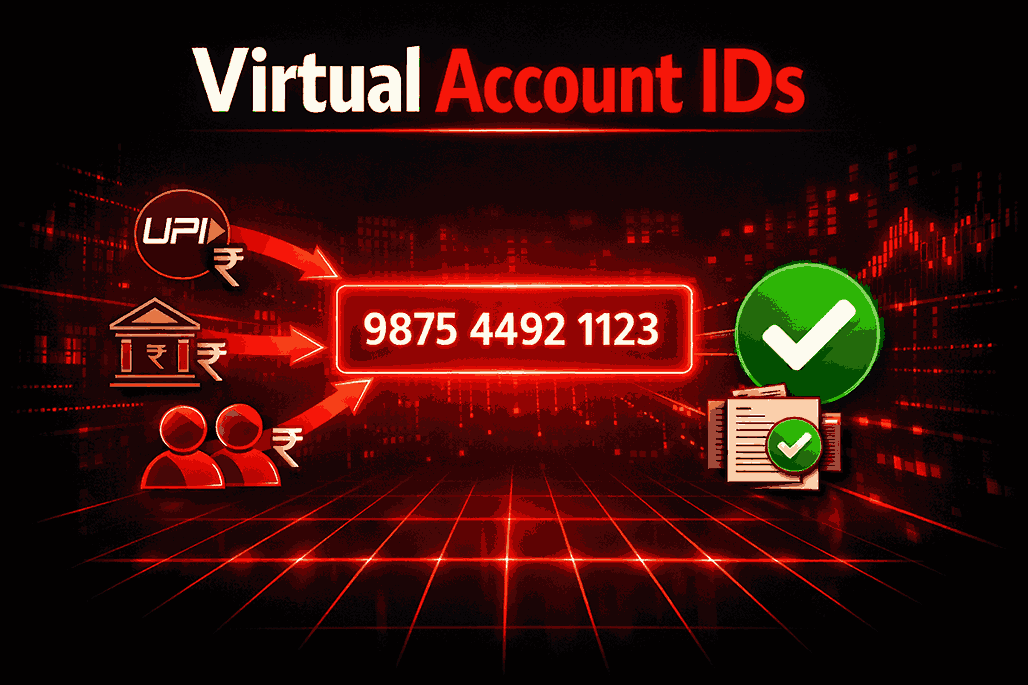
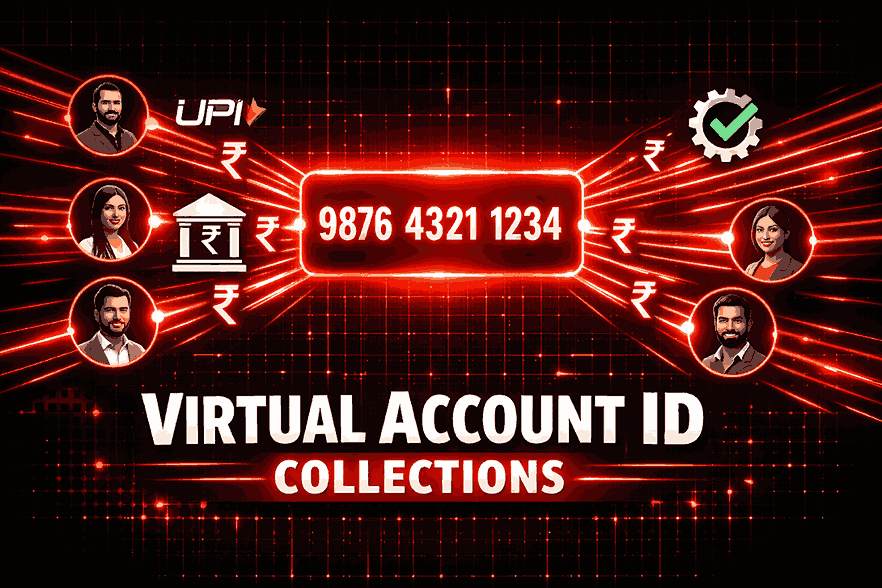
6. Assign unique payment IDs or virtual accounts
Helps match payments accurately.
Learn more about virtual-account-based reconciliation (API banking)
How Digital Platforms Help Automate Ledger Management
Modern business-banking platforms like SprintNXT simplify ledger management through automation.
With features such as:
Auto-generated payment records
Real-time transaction syncing
Multi-bank account visibility
Virtual accounts for customer-wise tracking
UPI-based collections and payouts
Automated reconciliation
Customizable reports and analytics
SprintNXT reduces the workload on finance teams, eliminates manual entries, and ensures accurate, up-to-date ledgers at all times.
Digital ledger automation helps businesses:
Save time
Reduce errors
Improve audit readiness
Maintain better financial discipline
Conclusion
A payment ledger is essential for any business that wants to maintain financial control, ensure accuracy, and build a reliable financial system. With the increasing volume of digital payments, manual ledger management is no longer sustainable.
By shifting to digital financial tools and automated ledger systems, SMEs and enterprises can simplify their operations, enhance transparency, and gain real-time visibility into their cash flow.
Unified banking platforms like SprintNXT make it easier than ever to manage and automate your payment ledgers — giving businesses the confidence to grow without worrying about financial errors or delays.
Frequently Asked Questions (FAQs)
What is a payment ledger?
A record that tracks all payments a business receives and makes.
Why is a payment ledger important?
It ensures transparency, improves cash flow visibility, and supports accurate accounting.
What are the types of payment ledgers?
Accounts receivable, accounts payable, cash ledger, bank ledger, and digital payment ledger.
How can businesses maintain accurate ledgers?
By recording transactions daily, reconciling bank statements, and using automated tools.
Can digital platforms automate ledgers?
Yes. Platforms like SprintNXT automatically sync transactions, track payments, and maintain accurate records.
Related Posts